
Key Takeaways
- The Mediterranean diet is a long-term eating pattern, not a single food.
- A Mediterranean-style plate is built around plant foods, whole grains, legumes, olive oil, nuts and moderate quality protein.
- The goal is consistency, not perfection.
The Mediterranean diet is often associated with olive oil, fish and colorful salads. But in nutrition research, it is best understood as a long-term eating pattern rather than one single food or ingredient.
A Mediterranean-style plate usually starts with plant-based foods: vegetables, fruits, whole grains, legumes and nuts. Olive oil is commonly used as a primary fat source, while fish, seafood, eggs, yogurt or other quality proteins appear in moderate amounts. Red meat, sweets and heavily processed foods are kept less frequent.
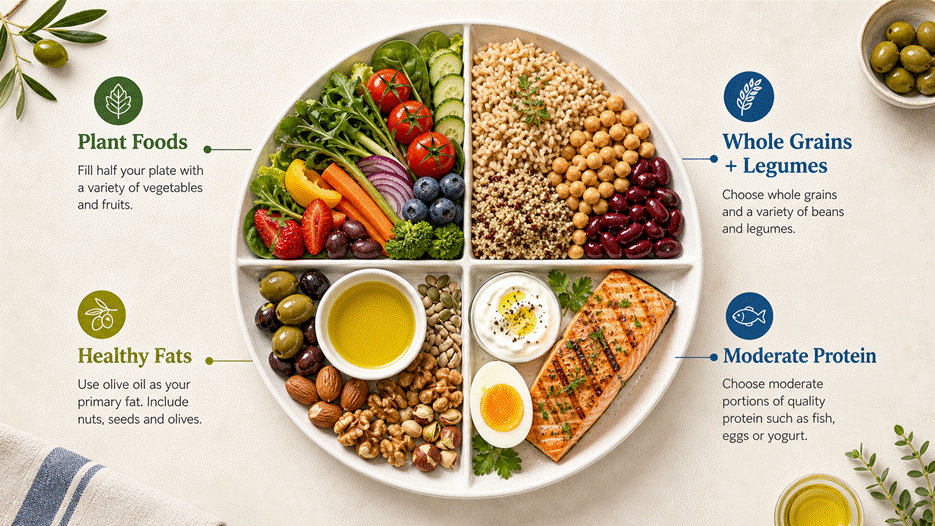
One simple way to picture this pattern is to divide the plate into four parts: plant foods, whole grains and legumes, healthy fats, and moderate protein. This makes the Mediterranean diet easier to understand in daily life. You do not need to follow a perfect regional menu. The more useful goal is to build a plate that is balanced, colorful and repeatable.
Simple Ways to Start
- Add vegetables, fruits, legumes or whole grains to the plate first.
- Choose quality fat sources such as olive oil, nuts or seeds where appropriate.
- Include moderate protein sources such as fish, legumes, eggs or dairy.
- Use supplements as support within a healthy lifestyle, not as a replacement for healthy habits.
Compliance Note
This article is for general wellness education and does not constitute medical advice.
References
Bach-Faig A, Berry EM, Lairon D, et al. Mediterranean diet pyramid today. Science and cultural updates. Public Health Nutrition. 2011;14(12A):2274-2284. doi:10.1017/S1368980011002515
