
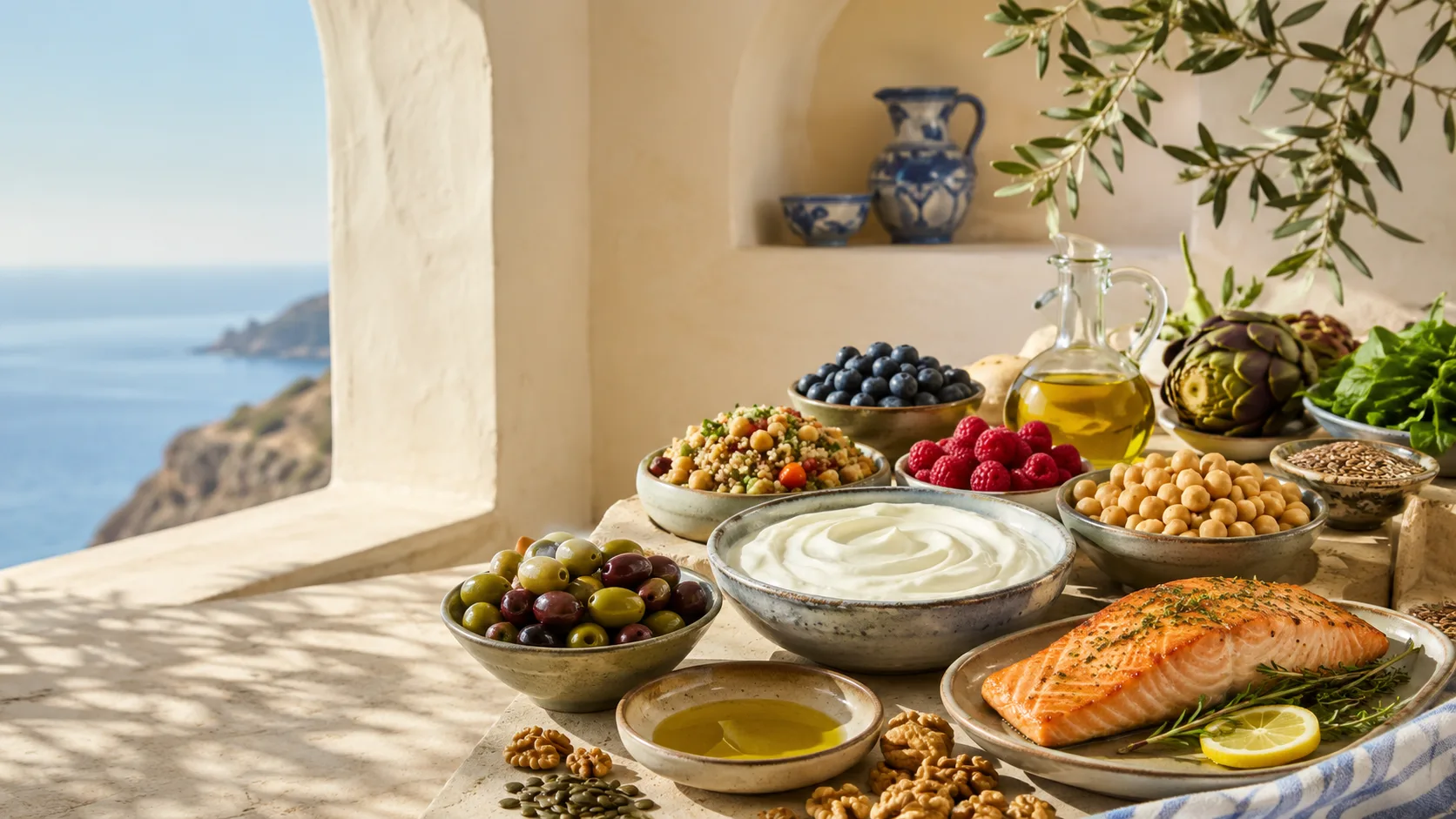
Over the past decade, microbiome research has reshaped our understanding of the relationship between diet and health. Trillions of microorganisms in the digestive tract help process food, produce metabolites, and communicate with immune, metabolic, and nervous-system pathways. A growing body of research identifies the Mediterranean diet as one of several dietary patterns associated with a diverse and resilient gut ecosystem. Its food structure aligns closely with what beneficial microbes need.
Fiber: Fuel for Microbial Fermentation
Whole grains, legumes, vegetables, fruits, nuts, and seeds provide soluble and insoluble fibers that human digestive enzymes cannot fully break down. Gut microorganisms ferment some of these carbohydrates and produce short-chain fatty acids, including acetate, propionate, and butyrate. Butyrate is an important energy source for cells lining the colon and is involved in maintaining the intestinal barrier and regulating immune signaling. These pathways may help explain part of the Mediterranean diet’s relationship with metabolic health.

Polyphenols and Prebiotic-Like Effects
The Mediterranean diet also supplies a wide range of polyphenols, including hydroxytyrosol from olives and olive oil, ellagic acid from nuts and some fruits, and anthocyanins from berries. Many polyphenols are only partly absorbed in the small intestine. Those that reach the colon can be transformed by gut microbes into smaller metabolites, while also influencing microbial growth and activity. Studies have associated Mediterranean-style eating with greater microbial diversity and changes in butyrate-producing and inflammation-related taxa, although responses vary among individuals.
From Microbial Changes to Metabolic Outcomes
Randomized dietary interventions have reported improved insulin sensitivity, lipid markers, or inflammatory markers alongside shifts in the gut microbiome. Some benefits occur even without major weight loss, suggesting that food quality and microbial metabolism may influence health independently of calorie restriction. Nevertheless, microbiome changes are highly individualized, and researchers are still determining which organisms or metabolites are causal rather than simply correlated with better health.
The Gut-Brain Axis
The gut microbiome can influence neuroactive compounds and signaling molecules, and it communicates bidirectionally with the central nervous system through neural, immune, endocrine, and metabolic pathways. Early evidence suggests that Mediterranean dietary patterns may favor microbial functions associated with lower inflammation and healthier aging. These mechanisms may contribute to observed associations with mood and cognitive health, but they should not be interpreted as proof that diet alone treats depression or prevents cognitive decline.
Cultivating a Resilient Gut Ecosystem
A useful way to think about the microbiome is as a garden. Fiber-rich plants and polyphenol-containing foods provide varied inputs, while limiting ultra-processed foods, excess added sugar, and frequent high intakes of processed meat helps reduce less favorable dietary pressure. Consistency and diversity matter more than any single “superfood.” Standardized polyphenols such as the hydroxytyrosol used in EYANK may offer targeted nutritional support, especially when dietary patterns are still being improved, but they do not replace the broader food matrix that nourishes the microbiome.
References
1. De Filippis F, Pellegrini N, Vannini L, et al. High-Level Adherence to a Mediterranean Diet Beneficially Impacts the Gut Microbiota and Associated Metabolome. Gut. 2016;65(11):1812-1821.
2. Ghosh TS, Rampelli S, Jeffery IB, et al. Mediterranean Diet Intervention Alters the Gut Microbiome in Older People Reducing Frailty and Improving Health Status: The NU-AGE 1-Year Dietary RCT. Gut. 2020;69(7):1218-1228.
3. Meslier V, Laiola M, Roager HM, et al. Mediterranean Diet Intervention in Overweight and Obese Subjects Lowers Plasma Cholesterol and Causes Changes in the Gut Microbiome and Metabolome Independently of Energy Intake. Gut. 2020;69(7):1258-1268.
4. Rodríguez-Morató J, Matthan NR, Liu J, et al. Cranberries Attenuate Animal-Based Diet-Induced Changes in Microbiota Composition and Functionality: A Randomized Crossover Controlled Feeding Trial. J Nutr Biochem. 2018;62:76-86.
5. Serreli G, Deiana M. Biological Relevance of Extra Virgin Olive Oil Polyphenols Metabolites. Antioxidants. 2018;7(12):170.
Educational information only. This article is not intended to diagnose, treat, cure, or prevent any disease and is not a substitute for professional medical advice.
